Being a Historian
:
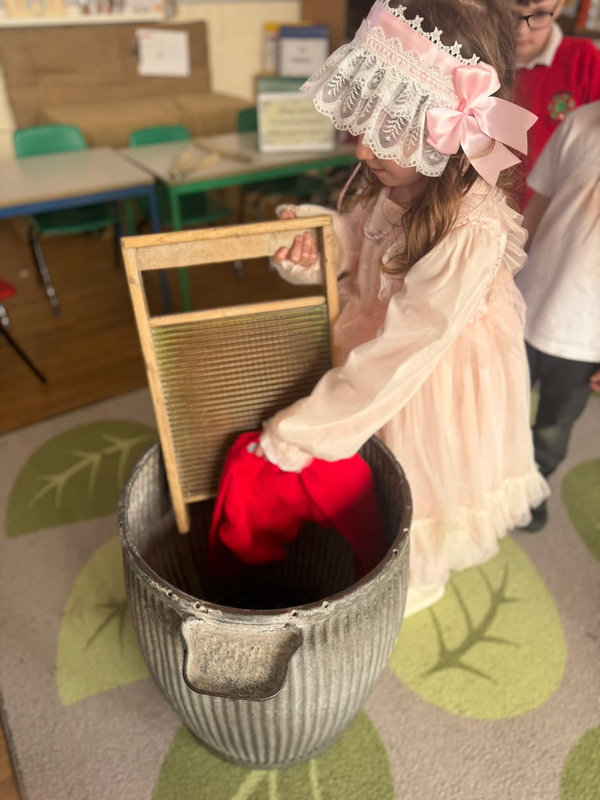
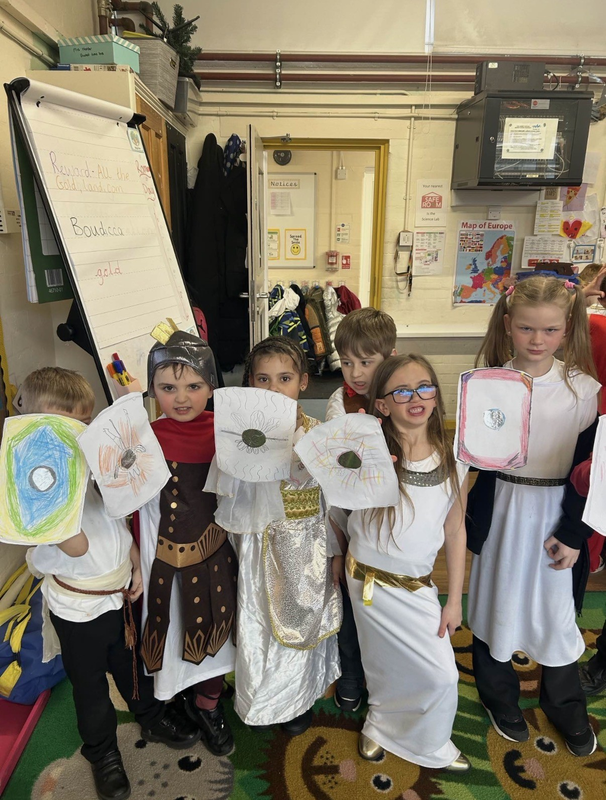
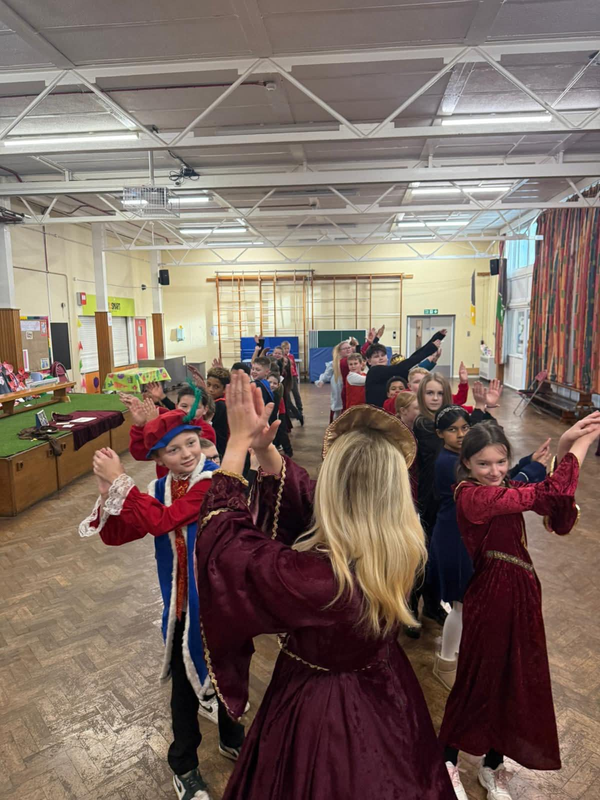
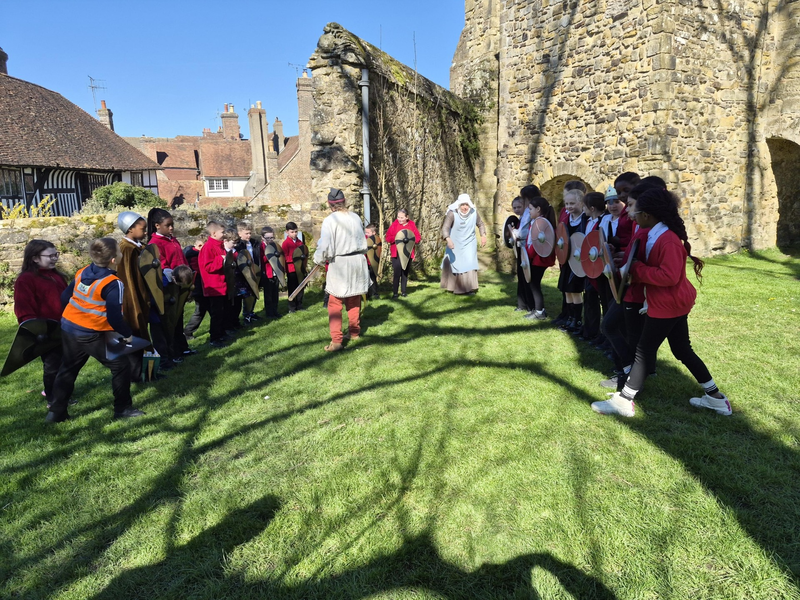
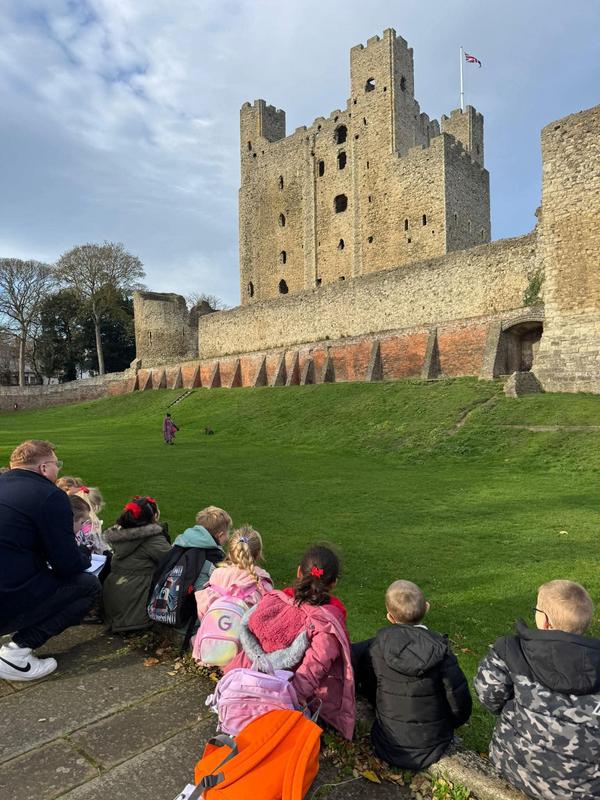
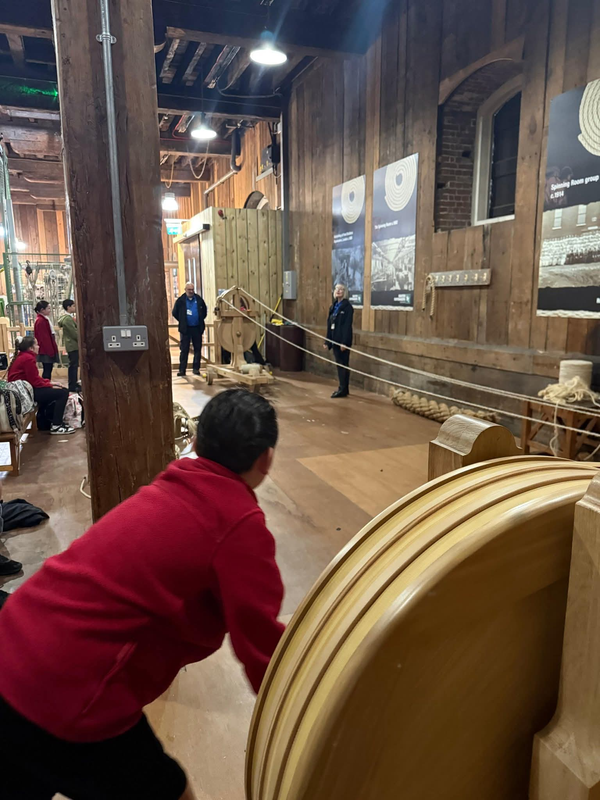
At our school, we bring history to life by using exciting hands-on activities! Children explore the past through real artefacts, historical sources, and even trips to museums and historical sites. These experiences help them understand history in a fun and engaging way, allowing them to connect with the stories of people and events from long ago. By learning through these interactive methods, our students gain a deeper appreciation of history and how it shapes the world today.
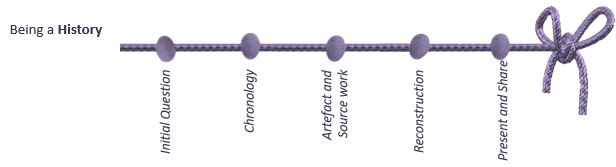
Initial Question: Our history learning sequence begins with an initial question that sparks curiosity, such as “What caused this event?” or “How did people live in this period?” This question frames the enquiry and gives purpose to the learning.
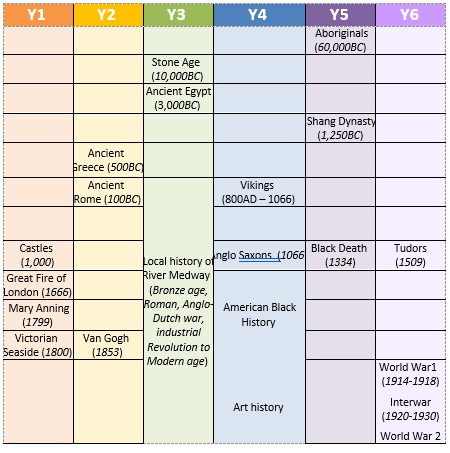
Chronology: Students then develop understanding of chronology, placing events, people, and developments in order. This helps them see patterns, change over time, and relationships between events.
Artefacts & Source Work: Next, learners engage with artefacts and source work, examining primary and secondary evidence such as objects, documents, images, or testimonies. They are encouraged to question reliability, perspective, and context.
Reconstruction: Using this evidence, students move into reconstruction, where they build interpretations of the past—explaining what might have happened, why, and how different people experienced events.
Present & Share: Finally, learners present and share their findings, communicating their interpretations through discussion, writing, or creative outputs. This stage reinforces understanding and allows them to reflect on different perspectives.
Within the year group geographical location, the children will explore different time periods within that area. The children will visit the furthest time period and then travel forwards in a chronological order towards the present day.