Being a Geographer
:
In Geography, our students embark on exciting journeys to explore different areas of the world, with learning linked to the specific regions they study in each year group. From understanding continents and countries to exploring climates, landscapes, and human impact, our students build a strong foundation in global geography. They take part in fieldwork and trips, which allow them to experience geography firsthand, whether it’s studying the local environment or visiting other locations to see how geography influences our daily lives. Through these activities, our students develop a deep curiosity and understanding of the world around them.
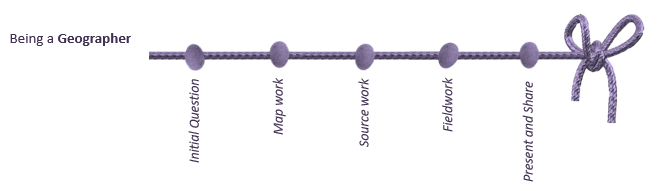
We build up the Geographical skills of the children in this way:
EYFS – Local area
Year 1 – UK
Year 2 – Europe
Year 3 – Africa
Year 4 – The Americas
Year 5 – Asia and Australasia
Year 6 – Global

Initial Question: Our geography learning journey begins with an initial question to stimulate curiosity, such as “Why is this place like it is?” or “How do people and environments interact here?” This question provides a clear focus for enquiry.
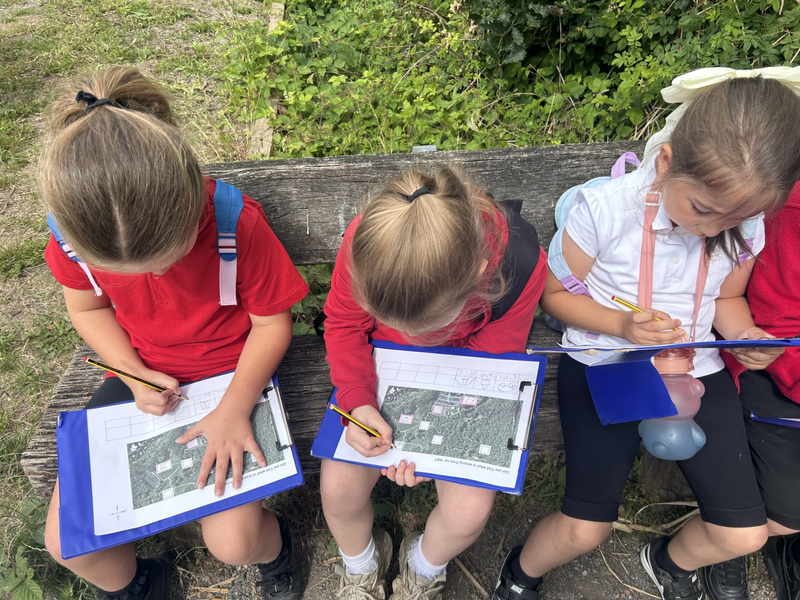
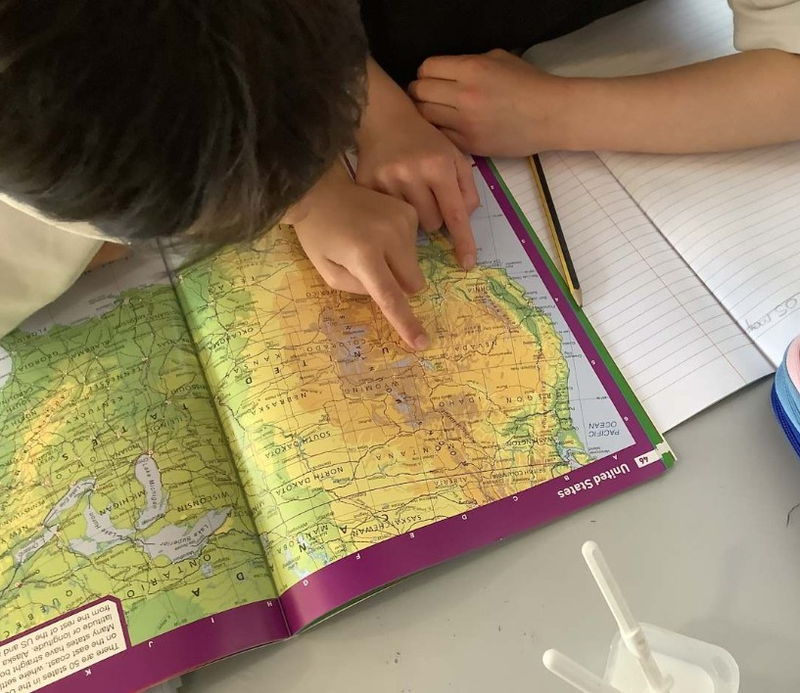
Map Work: Students then develop skills through map work, exploring locations, patterns, and spatial relationships. They learn to interpret maps, use scale and symbols, and understand how places connect at local, national, and global levels.
Source Work: Next is source work, where learners analyse a range of materials such as photographs, data sets, satellite images, and reports. This helps them build knowledge about places, environments, and processes, while developing critical thinking.
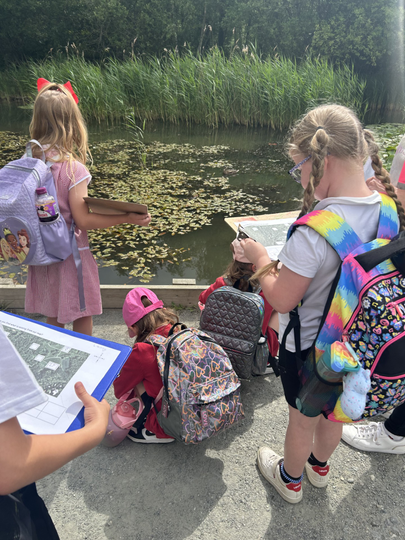
Fieldwork: Learners then engage in fieldwork, applying their understanding in real-world contexts. They collect data, make observations, and investigate geographical questions firsthand, deepening their practical and analytical skills.
Present & Share: Finally, students present and share their findings, using maps, reports, or presentations to communicate their conclusions. This stage encourages reflection and allows them to explain patterns, processes, and connections they have explored.